
Recognizing the Signs of Holiday Loneliness
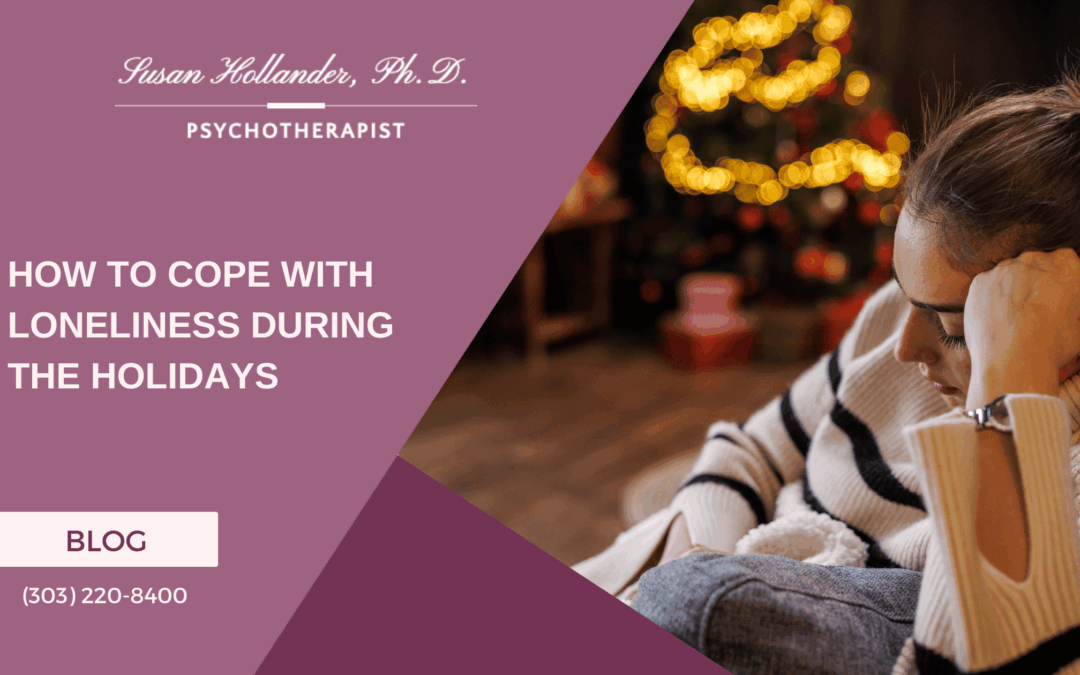
The holidays arrive quickly—lights sparkle along South Broadway, music fills the stores, and the pace of life accelerates. Yet for many, the season’s cheer can amplify feelings of isolation. Instead of comfort, it brings a quiet heaviness—a sense of being out of sync while the world seems to celebrate in perfect rhythm. Coping with loneliness during the holidays starts by recognizing the gap between how the season appears on the outside and how it truly feels within.
“The greatest thing in the world is to know how to belong to oneself.” — Michel de Montaigne
Even at a holiday event surrounded by people, it’s possible to feel like you’re the only one there, and the pressure to feel festive makes these moments even harder. Coping starts with awareness, recognizing that loneliness is a normal emotion and learning to respond with care instead of with judgment or guilt. Building meaningful connections during this time helps soften that distance.
The feelings of loneliness during the holidays aren’t always about being alone. It’s the moment when you feel lost in a room full of familiar faces, when you miss family members, old routines, or the easy comfort of belonging. Pinpointing those moments is part of caring for your mental health and emotional well-being during the busiest, and sometimes loneliest, part of the year.
Holiday Season: When the City Feels Full but You Feel Lonely
In the weeks before the holidays, the Denver metro area feels alive. People rush for last-minute gifts, lights shine through windows near Cherry Creek, and restaurants fill with office parties and laughter. Then, almost overnight, it all slows. The streets clear, the noise fades, and the quiet that follows sits thick in the air.
Feeling lonely during the holidays doesn’t always mean you miss someone. Sometimes it happens because life has changed. Family members live farther away, gatherings shrink, or familiar plans no longer fit into everyone’s schedule. Spending time with others helps, but building new traditions, even small ones, often makes the biggest difference when familiar routines begin to fade. From the outside, nothing seems wrong. Inside, something still feels off.
Naming that feeling is the first step toward understanding it. Loneliness is part of real life. It affects older adults who live alone, young professionals adjusting to new cities, and parents whose homes feel quieter than they used to. Taking note of these emotions and giving them attention helps you manage them before they deepen into social isolation.
Holiday Loneliness and the Quiet That Follows
Loneliness builds slowly. You come home, set your things down, and notice how still the room feels. Maybe you turn on the TV or check your phone for company. The quiet sounds louder than it should.
This time of year tends to bring emotions closer to the surface. Surrounded by the holiday spirit, it can feel harder to talk about sadness or disconnection. When everyone seems busy or cheerful, you might start to wonder if you should feel the same, or if it’s normal not to. That kind of self-pressure can quietly deepen loneliness and make you feel isolated.
If the quiet feels sharp, remind yourself that loneliness s not a weakness or a failure. It is a normal human response to change, loss, and unrealistic expectations. Recognizing it gives you a chance to manage feelings in a healthy way instead of avoiding them.
Small Steps to Ease the Quiet
Once you name the feeling, you’re able to respond to it. There are a few ways to start easing the pressure:
- Say yes to simple plans that fit your energy.
- Say yes to a short visit with a loved one or a quiet Christmas or Thanksgiving dinner.
- Say yes to small events helps you feel connected to the world around you.
These small choices keep connections active without overwhelming your schedule or energy. They remind you that even one moment of real connection makes the season feel lighter.
Quiet evenings and slower days often reveal what has been missing. Instead of rushing to fill the silence, take time to listen to what it is asking for. Sometimes that means rest. Other times it means movement or company. What matters most is consistency, simple actions that help you feel grounded again.
This pause between the busyness of gatherings and the return of routine is often where reflection happens. It is where the healing process begins.
Combat Loneliness with Small Habits and New
You don’t have to fight loneliness all at once, and you don’t have to do it alone. Small, steady habits help you cope with loneliness during the holidays and support mental health year-round. These simple daily actions make coping with holiday loneliness more manageable. Making positive, consistent choices each day helps shift perspective when you’re experiencing loneliness.
- Move. Take a walk outside. Even a short one releases tension and clears focus.
- Reach. Send a message, drop off holiday cards, or video chat with a friend or favorite person. Contact matters, even when it is brief.
- Make. Bake cookies, cook a favorite meal, or put the finishing touches on the tree. Simple, manageable tasks take the edge off holiday stress and bring a sense of purpose.
- Rest. Watch good movies, listen to favorite music, or read before bed. Quiet routines protect emotional well-being and have real health benefits.
- Reflect. Express gratitude for small things, like a warm cup of tea, a kind text, or a calm morning. Practicing gratitude is one of the best ways to change your mood.
These healthy habits help reduce feelings of isolation and bring structure back to your day. They are realistic ways to stay grounded when the holidays feel overwhelming and to forge connections that last beyond the season.
Mental Health and the Weight of Loneliness During the Holidays
Most people move in and out of loneliness. It usually lightens once the holidays pass. But sometimes it lasts longer. If you have been feeling sad, anxious, or disconnected for several weeks, it may be time to seek support.
Depression and anxiety often grow stronger during the winter holidays. Seasonal depression comes along with shorter days, limited sunlight and the expectation to stay cheerful wears down emotional balance. You may find it harder to connect with loved ones, or get a good night’s sleep even though you’re exhausted.
Dr. Susan Hollander works with individuals and couples who want to understand the patterns that shape emotional well-being. Her approach supports people facing anxiety, depression, and other mental health conditions that may deepen during the winter months. Recognizing early signs of mental illness helps you seek help before isolation takes hold.
Therapy for anxiety teaches practical ways to manage stress and restore focus. Treatment for depression provides structure, perspective, and guidance through the darker parts of the season. Support groups across Colorado also help connect people who understand what it means to experience loneliness in real life. Professional help can make the difference between staying stuck and finding a path back to connection.
Finding a Healthy Way Forward
Coping with loneliness during the holidays isn’t about staying busy. It’s about managing expectations and choosing what brings peace instead of pressure. That might mean creating new traditions, joining a local book club, or spending free time with a best friend instead of a large group.
Try:
- Practicing self-care and healthy habits that keep you steady
- Reaching out to people who make you feel safe
- Sharing small moments of joy with friends
- Reconnecting with an old friend or someone who remembers who you are outside of the season
- Staying grateful for the people, places, and quiet moments that keep you balanced
With time, these efforts help reduce the holiday blues and lead to positive changes in how you experience the season. Gratitude, connection, and focus bring balance back to daily life and improve overall well-being.
“Peace is present right here and now, in ourselves and in everything we do and see.” — Thich Nhat Hanh
Winter always shifts back toward light. Loneliness does too. When you focus on connection, awareness, and care, you give the season a meaning that belongs entirely to you.
Find Support with Dr. Susan Hollander
If the holidays feel heavy, reach out for support. Dr. Susan Hollander, a licensed psychotherapist based in Englewood near the Denver Tech Center and Cherry Creek Reservoir, offers therapy for individuals and couples dealing with loneliness, anxiety, or relationship stress. Her calm, grounded approach helps people find balance, forge connections, and create steady routines that support emotional well-being. Schedule a consultation today and begin making positive changes in your life.
Susan L. Hollander, Ph.D., LLC
6067 South Kingston Circle
Englewood, CO 80111
(303) 220-8400
Author Bio
Dr. Susan Hollander, Ph.D., is a licensed psychotherapist with over 30 years of experience supporting individuals navigating depression, anxiety, trauma, and life transitions. Known for her warm, integrative approach, she combines evidence-based therapies with compassionate, individualized care to help clients reconnect with their inner resilience.
Dr. Hollander holds a doctorate in clinical social work. She is committed to reducing stigma and expanding access to gentle, effective treatment options. Her practice centers around meeting clients where they are—with empathy, clarity, and hope.
When she’s not in session, Dr. Hollander writes to empower readers with accessible, trauma-informed mental health education. Her mission is simple: to help people find light, one gentle step at a time.
Depression Therapy in Colorado — Find Steady Support
Care that meets you where you are—gentle pacing, evidence-based skills, and a path back to energy, meaning, and connection. Online statewide and in-person options available in Englewood and surrounding areas.
- Depression Therapy in Colorado (Statewide)
- Depression Therapy in Denver, CO
- Depression Therapy in Englewood, CO
- Depression Therapy in Littleton, CO
- Depression Therapy in Highlands Ranch, CO
- Depression Therapy in Greenwood Village, CO
- Depression Therapy in Centennial, CO
- Depression Therapy in Castle Rock, CO